


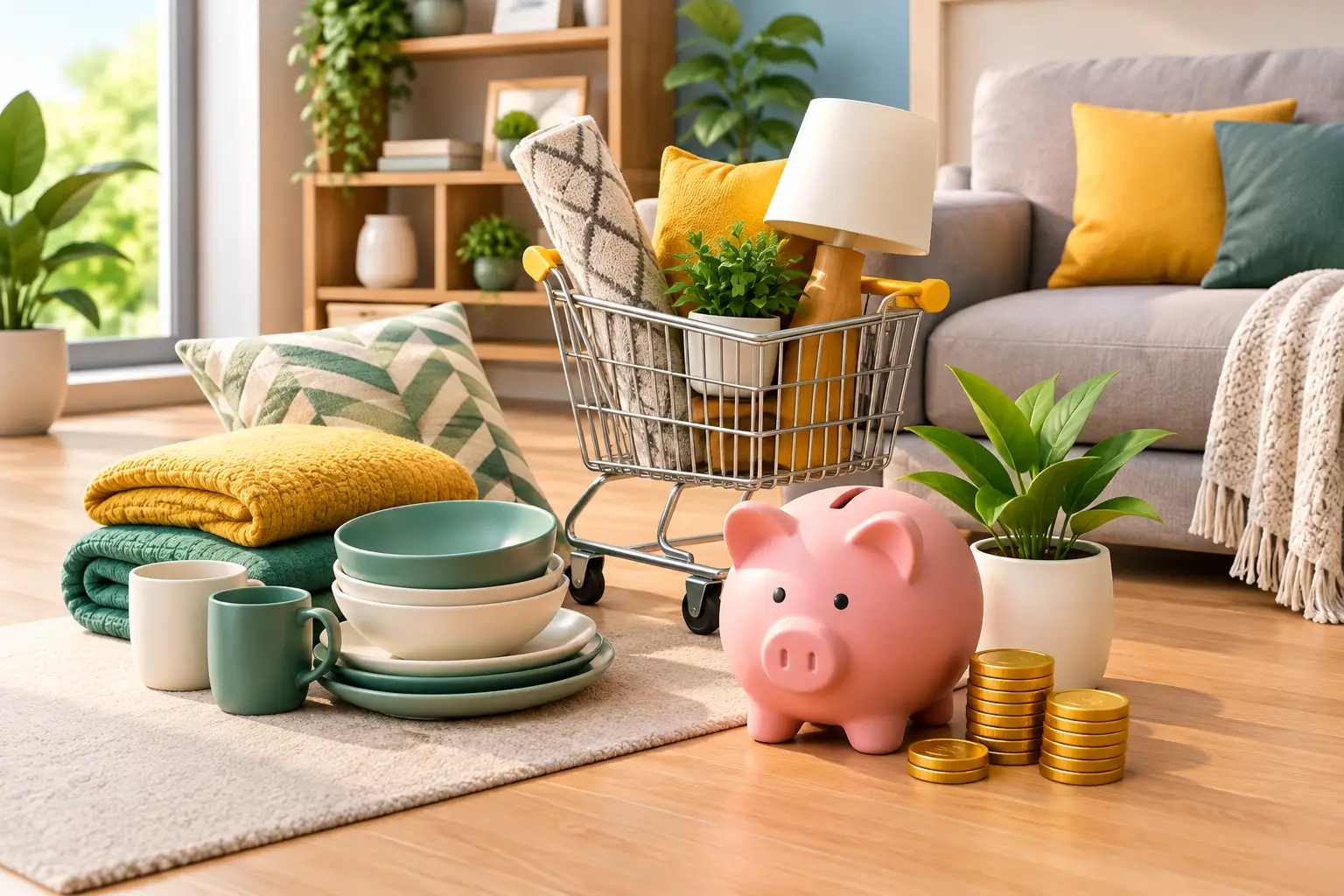
A cheap kettle that fails within six months is not a bargain. Nor is a cupboard full of novelty storage tubs that do not fit the space you bought them for. The best way to save money on homewares is to spend with a purpose: choose useful items, compare the full value, and avoid buying the same solution twice.
For most households, homeware spending happens in small, easy-to-miss purchases. A new tea towel here, a set of hangers there, a replacement lamp, a few bits for organising the bathroom. Individually, they may seem modest. Over a year, they can take a surprising bite out of the budget. A few practical habits can keep costs down without making your home feel basic or unfinished.
Start with the job the item needs to do
Before looking at colours, trends or offers, be clear about the problem you are trying to solve. Do you need a pan that works on an induction hob? More storage in a narrow hallway? Extra bedding for guests? A clearer purpose makes it much easier to ignore products that are attractive but unnecessary.
Measure first where size matters. This is particularly useful for curtains, shelving, bins, drawer organisers, tablecloths and kitchen equipment. Check the available width, height and depth, then allow room for doors, drawers and cables. A low-priced item that does not fit properly can quickly become wasted money.
It also helps to take stock before ordering. Many homes already have spare cushions, vases, jars, batteries, cleaning cloths or serving dishes tucked away. A quick cupboard check prevents duplicate purchases and may reveal a perfectly good item that only needs a clean, repair or new position in the room.
Save money on homewares by buying versatility
The most cost-effective homewares tend to do more than one job or work across several rooms. A neutral throw can refresh a sofa, add warmth to a bedroom or be useful for visitors. Glass storage containers can hold leftovers, packed lunches and dry cupboard goods. A sturdy basket may organise toys, towels, laundry or magazines as your needs change.
This does not mean every item needs to be plain. It means choosing a sensible base for the pieces you use most. Neutral bedding, white crockery, simple storage and classic kitchen tools are easier to add to over time. You can then bring in personality through lower-cost details such as cushion covers, artificial flowers, candles or seasonal table décor.
Versatility has limits. If you cook regularly, a well-chosen saucepan or sharp kitchen knife is usually worth buying for that specific task. Trying to make one poor-quality tool cover every job can be frustrating and lead to replacement costs. Think about frequency: spend a little more care on everyday items, and keep occasional-use purchases practical and affordable.
Compare value, not just the ticket price
A lower price is a good starting point, but it should not be the only test. Look at material, size, capacity, care instructions and what is included. Two towel sets may appear similar, for example, but differ greatly in thickness, quantity and whether they can be tumble dried. A storage set may look inexpensive until you notice it contains only two small pieces.
When comparing options, ask four simple questions:
- Will it cope with how often my household will use it?
- Is the size or quantity enough for the job?
- Can I clean, wash or maintain it easily?
- Would I still choose it if it were not on offer?
That last question is useful when a discount creates urgency. A reduced price only saves money if you genuinely need the item. If it will sit unopened in a cupboard, it is still an unnecessary expense.
For larger purchases, read the product details carefully rather than relying on photographs alone. Images can make a lamp seem larger, a rug seem thicker or a storage unit seem more spacious than it is. Dimensions, materials and care guidance provide the information you need to make a confident decision.
Plan replacements before they become urgent
Last-minute shopping is rarely the cheapest way to buy household essentials. When a laundry basket breaks or guests are arriving that evening, convenience tends to matter more than comparison. Keeping a short note of items that are wearing out gives you time to shop when the right deal appears.
This approach works well for bedding, towels, kitchen utensils, cleaning supplies, light bulbs and basic storage. You do not need to build a huge stockpile. One sensible spare of a regularly used essential can prevent a rushed purchase later.
Seasonal timing can help too. Think ahead before the colder months if you may need blankets, draught excluders or extra bedding. Buy picnicware and outdoor dining pieces before a planned gathering rather than on the morning of it. For gifts, keeping a small collection of useful, good-value home items can make birthdays and housewarmings easier to manage without a last-minute dash to the shops.
Refresh a room without replacing everything
A room can feel different without a full makeover. This is one of the simplest ways to control homeware costs, especially if you enjoy changing your space with the seasons. Start by moving what you already own. A side table from the bedroom might work beside the sofa. A framed print can be relocated, or a matching pair of cushions can be split between two rooms.
Then focus on one or two high-impact changes. New cushion covers, a table runner, a bath mat or a lampshade can alter the feel of a room for far less than new furniture. In the kitchen, matching jars or tidy drawer organisers can make daily routines feel more orderly without an expensive refit.
Be cautious with short-lived trends. Bright colours and playful patterns can be enjoyable, but they are often best used in small, easy-to-change items. For expensive pieces such as curtains, rugs and cookware, choose something you will be happy to live with for several years.
Make good purchases last longer
Saving money is not only about what you buy. It is also about looking after it. Follow wash and care labels on towels, bedding and soft furnishings, particularly where high heat can cause shrinking or fading. Use the right cleaning products for wood, glass and non-stick surfaces. Small habits can make a real difference to how long household items stay useful.
Do not overlook basic repairs. Tightening a loose handle, replacing a worn felt pad under a chair leg or reattaching a curtain hook may take minutes and extend the life of an item considerably. If something is no longer right for its original purpose, consider whether it can be reused elsewhere. An old towel can become a cleaning cloth, while a chipped mug may hold pens or small tools.
Storage also matters. Keep seasonal décor clean and dry, stack cookware carefully to protect surfaces, and avoid overfilling drawers that strain organisers and handles. Looking after what you own is a quiet but reliable form of saving.
Shop with a household budget, not a vague target
Set a realistic monthly or seasonal amount for homewares, including the small purchases. This is not about removing every treat from your home. It is about making room for the things that genuinely improve everyday life while keeping spending visible.
A simple approach is to separate needs from refreshes. Needs include replacements, safety-related items and practical essentials. Refreshes are decorative updates or items that are nice to have but can wait. If you spot a great-value refresh, give yourself a short pause before buying. Often, you will still want it after a day or two. If not, the money can stay available for something more useful.
Affordable ranges from retailers such as EZ Discount Sales can be particularly helpful when you need practical household items without paying premium prices. The key is to shop with your measurements, priorities and budget already in mind, so a good deal stays a good decision.
A comfortable home does not have to be built in one expensive weekend. Add what your household genuinely uses, choose pieces that earn their place, and let each purchase make daily life a little easier.